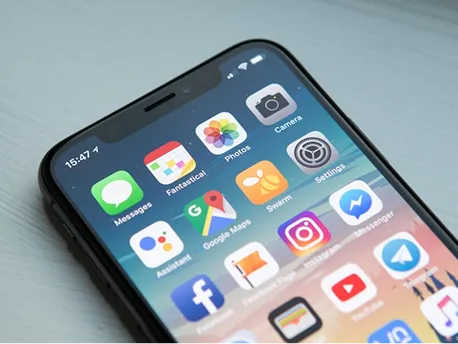

We are more connected than ever through screens, yet real communication is quietly fading from everyday life. Messages, voice notes, and quick replies have replaced long conversations that once carried emotion, tone, and presence. While digital communication offers convenience, it often removes the depth and warmth that comes from speaking face to face. Over time, this shift is changing how we express ourselves and how we understand others. Most conversations today happen through short texts or reactions instead of meaningful dialogue. People often choose speed over depth, replying with quick words rather than taking time to fully express thoughts. This habit slowly reduces patience in communication and makes real conversations feel less natural. As a result, we are losing the ability to engage in discussions that require attention, listening, and emotional understanding.
Face to face communication carries elements that screens cannot fully replace, such as body language, eye contact, and tone of voice. These subtle details help build trust and connection between people. Without them, conversations can become misinterpreted or feel incomplete.
This shift also affects relationships in small but meaningful ways. Friends, families, and even colleagues may feel distant despite constant digital contact. Conversations become shorter, less frequent, and more functional rather than emotional. Over time, this creates a gap between communication and connection, where we stay in touch but not truly engaged. Rebuilding real communication starts with small intentional changes. Choosing voice calls over texts, giving full attention during conversations, and reducing screen distractions can help restore meaningful interaction. These simple habits encourage presence and deeper understanding. Communication is not just about exchanging words, but about sharing attention, emotion, and human presence in a way that screens alone cannot replace.
People are also becoming more comfortable expressing emotions behind a screen than in real life conversations. It feels easier to type feelings than to speak them directly, but this comfort slowly reduces confidence in face to face communication. Over time, important emotional expressions get filtered into short messages that cannot fully carry depth or intention. Another growing issue is the loss of active listening in everyday interactions. Many people now focus more on preparing their response instead of truly understanding what the other person is saying. This weakens the quality of conversations and makes communication feel one sided. Real dialogue requires patience, attention, and genuine interest, which are often reduced in digital habits. The constant presence of notifications and digital distractions also interrupts natural conversations. Even during physical meetings, attention often shifts back to the phone, breaking flow and presence. These interruptions reduce the quality of interaction and make conversations feel incomplete, even when people are physically together.